


Some other folks and I are attempting to build a community around Filmstack, and in that vein, I’m organizing Filmstack’s second in-person meetup on Aug. 17th in Los Angeles.
If you’re a Substack writer covering film, TV, media & entertainment, please get in touch so I can send you an invite!
Now on with it!
Thanks to smartphones, social media and the crush of information we’re exposed to on an hourly basis, our attention spans have evaporated in just a handful of years, and as a result, so too has our mental health, our societal structures and our wellbeing at large.
According to Time, we now have the attention span of a goldfish and this trend is getting worse as algorithms optimize for quick dopamine hits and constantly changing trends.
Except… is that true?
Like, is any of that actually true?
If your instinct is to shout “Of course it is, you buffoon! Just look around you! DO YOU NOT SEE???”, first: Take a breath.
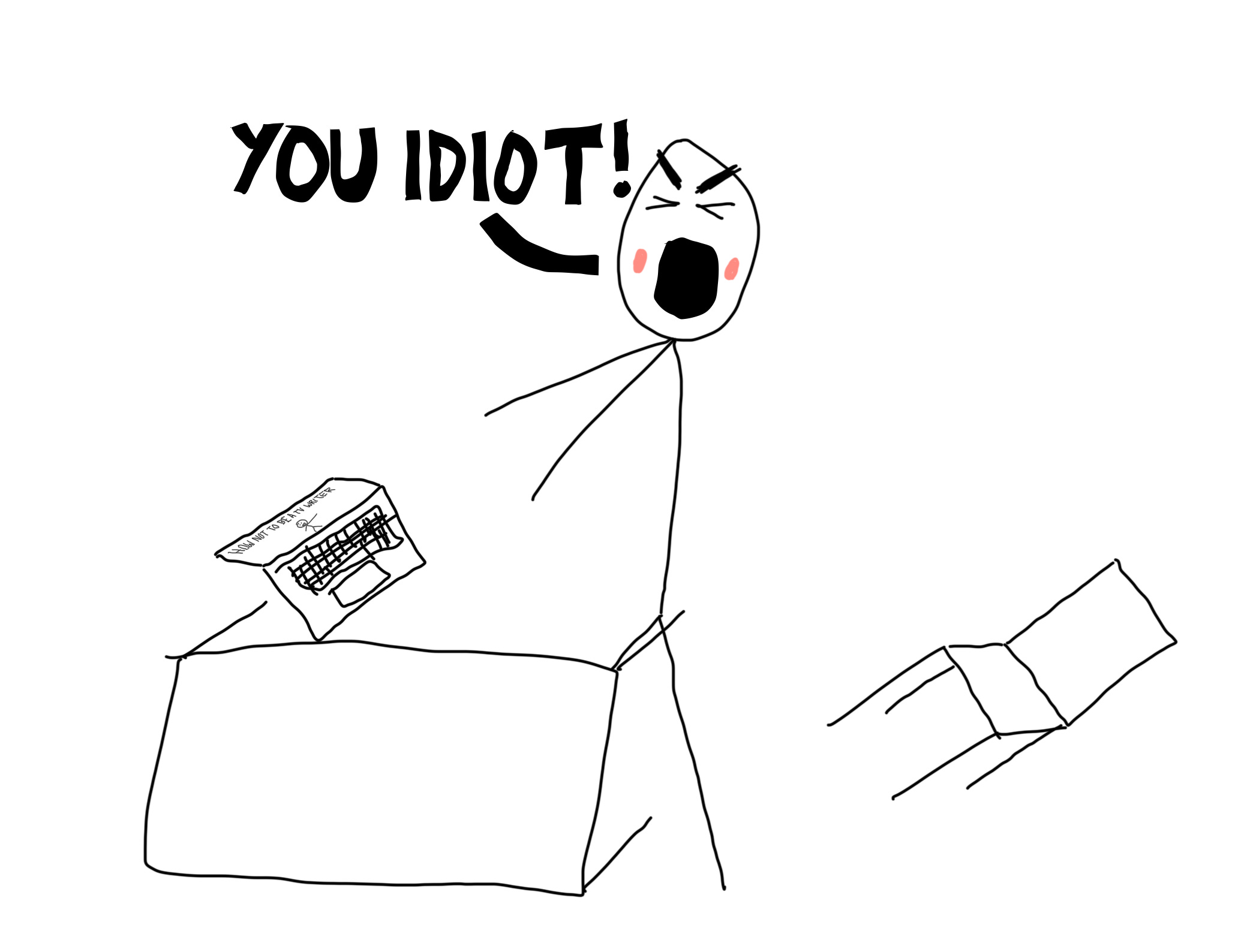
And second: Do you really know that? Like, with certainty?
Or is it just a gut feeling? Something you’ve heard so many times that you’ve just stopped questioning and accept it as fact?
Today, I’m going to unpack some fundamental misconceptions about attention spans: What we pay attention to. What captures our collective focus, whether it’s going away and what the implications are for a career in entertainment.
In This Episode:
🐠 The goldfish fallacy - why we don’t actually have the attention span of a goldfish and what Columbia University actually found about human focus
🧠 Why it feels like our brains are broken - separating tech addiction from attention span, plus the uncomfortable truth about aging and memory decline
⚡ Time to Interest: The new metric that matters - forget attention spans, start measuring how quickly you capture viewer interest
Okay, I’m sorry for the trick I pulled at the top of this post. That was mean. I wouldn’t be surprised if 90% of you have already bailed by now, but for those who remain: I promise the rest of the post won’t be quite so sneaky, and might actually contain some valuable insights!
In order to properly explore this topic, we first have to establish what we’re talking about. So what do we mean when we use the phrase “Attention Span?”
What is Attention Span?
Now I’m not an expert on the subject, but according to my very limited research, when we talk about attention span, we’re usually referring to one of three distinct but related concepts:
Sustained Attention: How long you can focus on a single task without getting distracted. Pretty straightforward. How long can you read a book or watch a movie without picking up your phone?
Selective Attention: Your brain's ability to filter relevant information from irrelevant noise. How easily can you hold a conversation at a noisy restaurant or continue writing your novel while I do this:
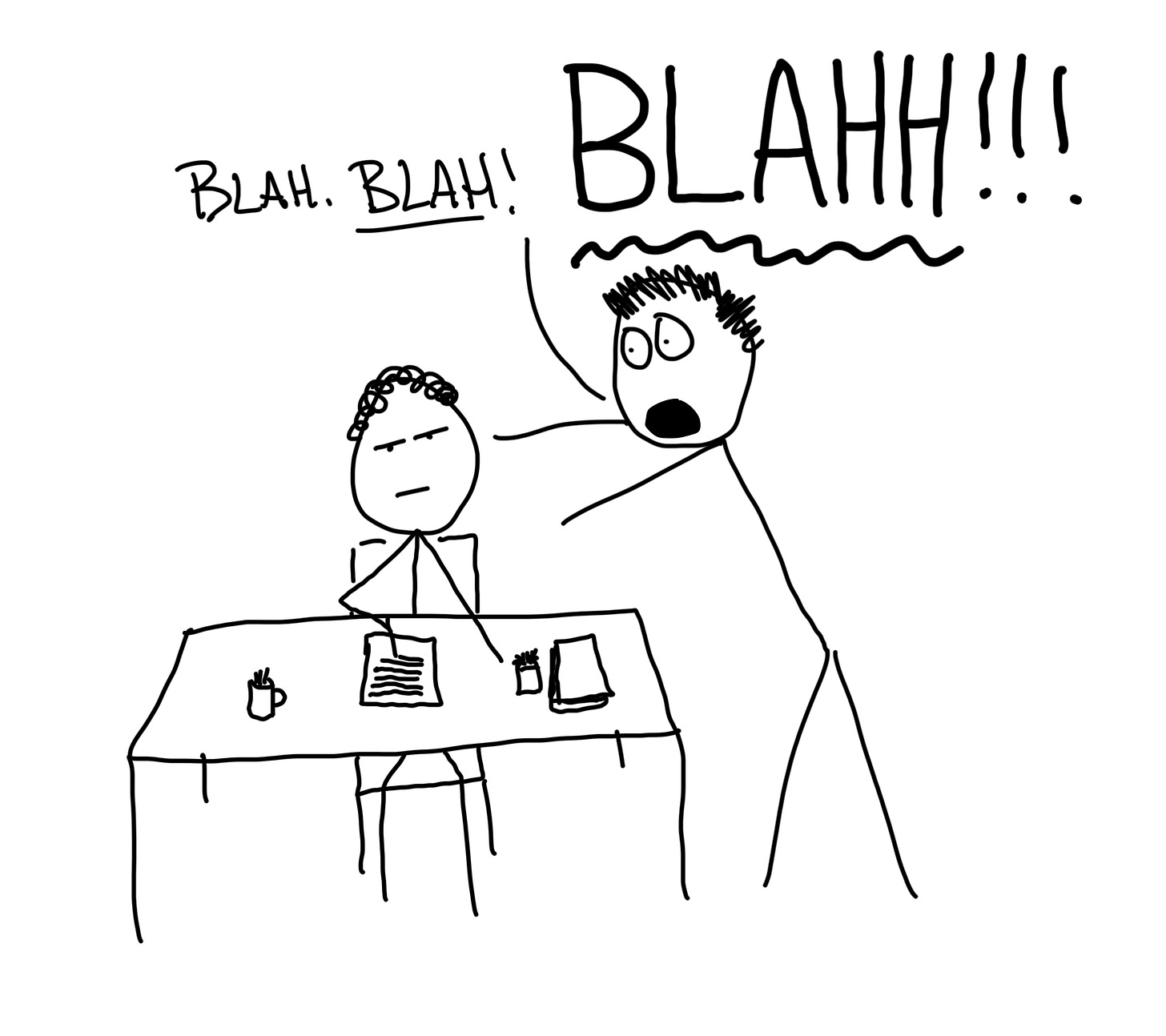
If you’re looking to train yourself to ignore distractions like this, I’m available and my rates are very reasonable. Divided Attention: Colloquially referred to as “multi-tasking,” this is how well you can juggle multiple tasks simultaneously. Think talking while driving or juggling while parasnorkeling.
You know. Regular stuff.
BTW multi-tasking is actually a misnomer, as humans aren’t capable of performing two separate tasks that require reasonable cognition at the same time. Next time you hear (or say) the phrase, try to acknowledge what it actually means: Rapidly switching between two tasks and (almost always) doing both poorly.
Typically, when people lament “shrinking attention spans, they’re almost always referring to #1: sustained attention (also called "attention perseverance”).
A “short attention span” means that the length of time you’re able to sustain attention on one task is - you guessed it - short.
Are Attention Spans Getting Shorter?
Not to bury the lede, but Columbia University conducted a study on this assumed trend of declining attention spans and concluded that while there is some evidence to suggest attention spans, on average, have been decreasing, this may say more about our evolving environments than our actual capacity to sustain attention.
A meta-analysis conducted by Simon Maybin at the BBC further muddied the water, concluding that the answer is not exactly cut and dry.
When Maybin spoke with Psychology Lecturer Dr. Gemma Briggs in 2017, she had this to say:
The idea of an ‘average attention span’ is pretty meaningless. ‘It's very much task-dependent. How much attention we apply to a task will vary depending on what the task demand is.’
Basically, she calls out the logical inconsistency in attempting to quantify and track attention span in general, implying the aforementioned goldfish study was mostly - pardon ma Français - clickbait bullshit.
Small sample size. Piss poor methodologies. Ronald Fisher1 - father of modern experimental design - would be spinning in his grave.
Not to mention, as cited by Professor Felicity Huntingford - an aquatic ecologist at the University of Glasgow:
"Goldfish can perform all the kinds of learning that have been described for mammals and birds," she says. "And they've become a model system for studying the process of learning and the process of memory formation, exactly because they have a memory and because they learn."
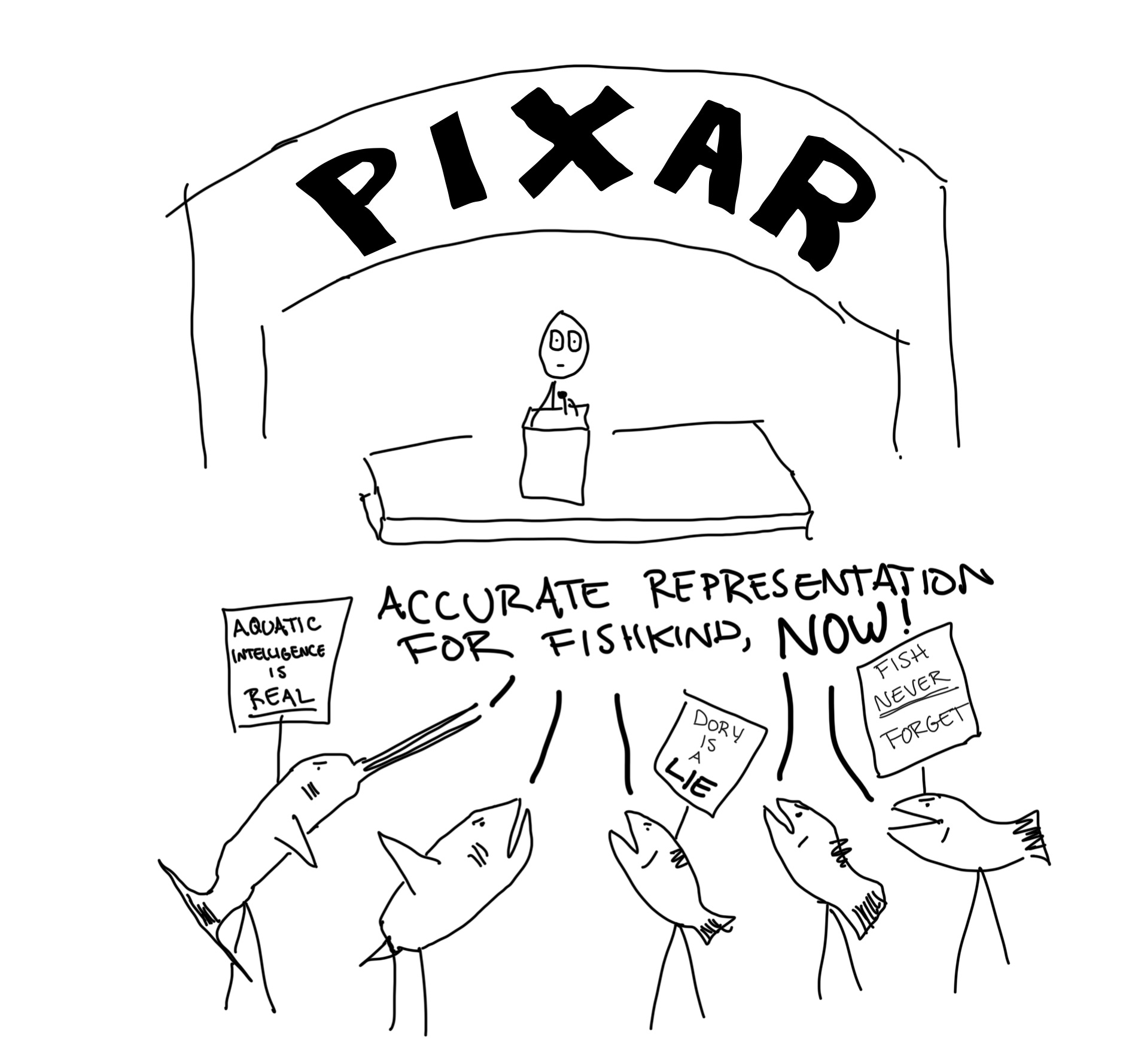
So there you have it: The character Dory from Finding Nemo is no more than an offensive stereotype.
It’s only a matter of time before Pixar issues a mea culpa to our aquatic brethren for reputational harm suffered.
But I digress.
So if attention spans aren’t actually declining, why does it feel that way?
Why it Feels Like Our Attention Spans are Shot
Addiction
Tech addiction is bad and getting worse. We’re spending more time than ever on social media (okay, that’s only partly true: Our social media use has actually trended down over the past few years, but it’s way up since a decade ago).
Our phones are a constant source of distraction and it’s easier than ever to get sucked into on-phone activities after glancing at an errant text message. I’ve fallen into that trap too.
But I would caution against conflating addiction with diminished attention span.
The distinction may seem subtle, but the difference between the two is the difference between behavioral dependency and cognitive capacity, which are separate concepts.
Recall that people have suffered from addiction long before smartphones. Or drugs. Or alcohol. As long as humans have experienced the world, they’ve been addicted to some portion of it.
The thrill experienced by modern-day adrenaline junkies surely has some distant predecessor in a mastodon hunt or survival of a big cat attack.
Memory
Okay. So why - after the advent of the internet - can’t we remember simple stuff that used to be easy to retrieve?
Well, if you’re old enough to have clear memories of a time before the internet, you’re 35 or older. That’s around the time that easy memory retrieval starts to fade.
So if facts don’t come as easily to you, you might not be suffering from social media-induced attention deficiency, but instead from natural cognitive decline.
It’s evolution’s way of saying you’re not needed anymore and you can go some place quiet to die now, thank-you-very-much.
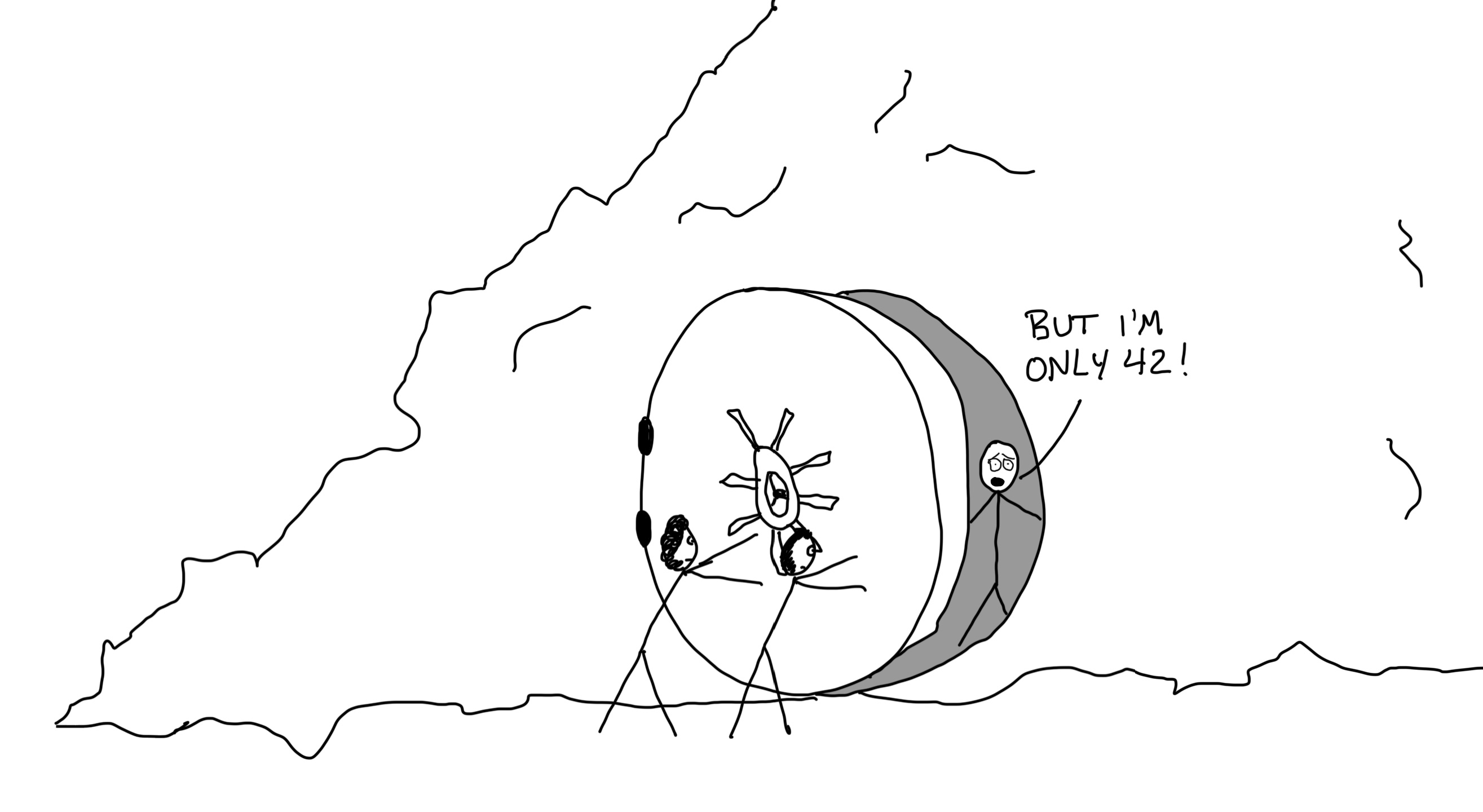
Don’t worry, we all feel it. Pro tip: Read more books to stave off that decline.
ADHD Diagnoses
ADHD diagnoses are up. Surely social media plays some factor there? Probably not.
In fact, increased diagnoses might actually be a good thing: Better awareness of the condition leads to more people being correctly diagnosed, both in childhood and in adulthood (including moi ✋).
So the increase seems likely to be correlative instead of causal. If you want to brush up on the two, check out Steven Pinker’s book Rationality: What It Is, Why It Seems Scarce, Why It Matters. It’s a bit statistics-heavy, but definitely worth the read.
Short-Form Content
Videos on the internet are shorter than ever. Short-form content on the internet has spread like wildfire in the past few years. And, according to one study I found on the matter, addiction to short-form content leads students in the study to procrastinate more than those who don’t consume said content.
But again - it’s their addiction to the format that hampers students’ efforts, not necessarily a shortened attention span.
A Crisis of Abundance
Before smartphones - even before the internet - people were distracted. By phone calls, newspaper articles, cable TV, tabloid magazines, neighborhood gossip… The list goes on.
Nothing about our brains has changed as a result of social media.
I think what’s actually happening is a lot more nuanced.
But - you ask - if social media isn’t draining our attention spans, what’s with the proliferation of short-form content on platforms like TikTok and Instagram? Why is everything so short now, if not to appeal to shortening attention spans?
I think it comes down to a couple things: Abundance and Impatience.
In a recent post, Ted Hope lamented social media reducing our attention spans to that of insects (which, obviously, I would take issue with).
But more importantly, he described a crisis of abundance in the amount of stuff that people have available to watch.
With that much stuff, audiences are impatient - they’re not going to sit through 5 boring minutes of video with the promise that things get interesting in minute 6.
Abundance of content created fierce competition. Competition bred audience impatience. Impatience rewarded whoever could hook viewers fastest. And hooking audiences consistently for extended periods requires exceptional storytelling talent - which is rare.
The result? Short-form content dominates because most creators can only hold attention for brief moments before their limited storytelling abilities run out.
The math is simple: Abundance → Competition → Impatience → Hooks Win → Short-form (which is easier to execute than long-form)
This bears out in Doug Shapiro’s recent post in which he describes the distribution of online storytellers who are able to sustain careers. The list is rather short, because the people making consistent revenue are long-form creators, and that type of material is really hard to do well.
The impatience described above isn’t only changing what gets made - it’s fundamentally altering how quickly content needs to grab audiences, which leads to my next concept:
Time to Interest
In the world of tech / business, there exists a concept of “Time to Value,” or “TTV.” TTV basically calculates how long it takes the user of a product – digital or otherwise – to find value in the thing that your company is selling.
So, like, when the first commercially available air conditioner systems were released by Carrier in the summer of 19022, the Time to Value was approximately 0 minutes.
The moment a purchaser turned the device on, they received a refreshing blast of cold air and freon emissions, and they realized they made a wise choice.
I submit another concept; a corollary to Time to Value:
I call it: “Time to Interest” or “TTI.”
I know, I know.
Here I go again, inventing from thin air yet another concept that I hope will be adopted in the broader lexicon.
But really, it’s a simple numbers game: If I just keep making shit up and slapping a name on it, eventually, something is bound to stick.
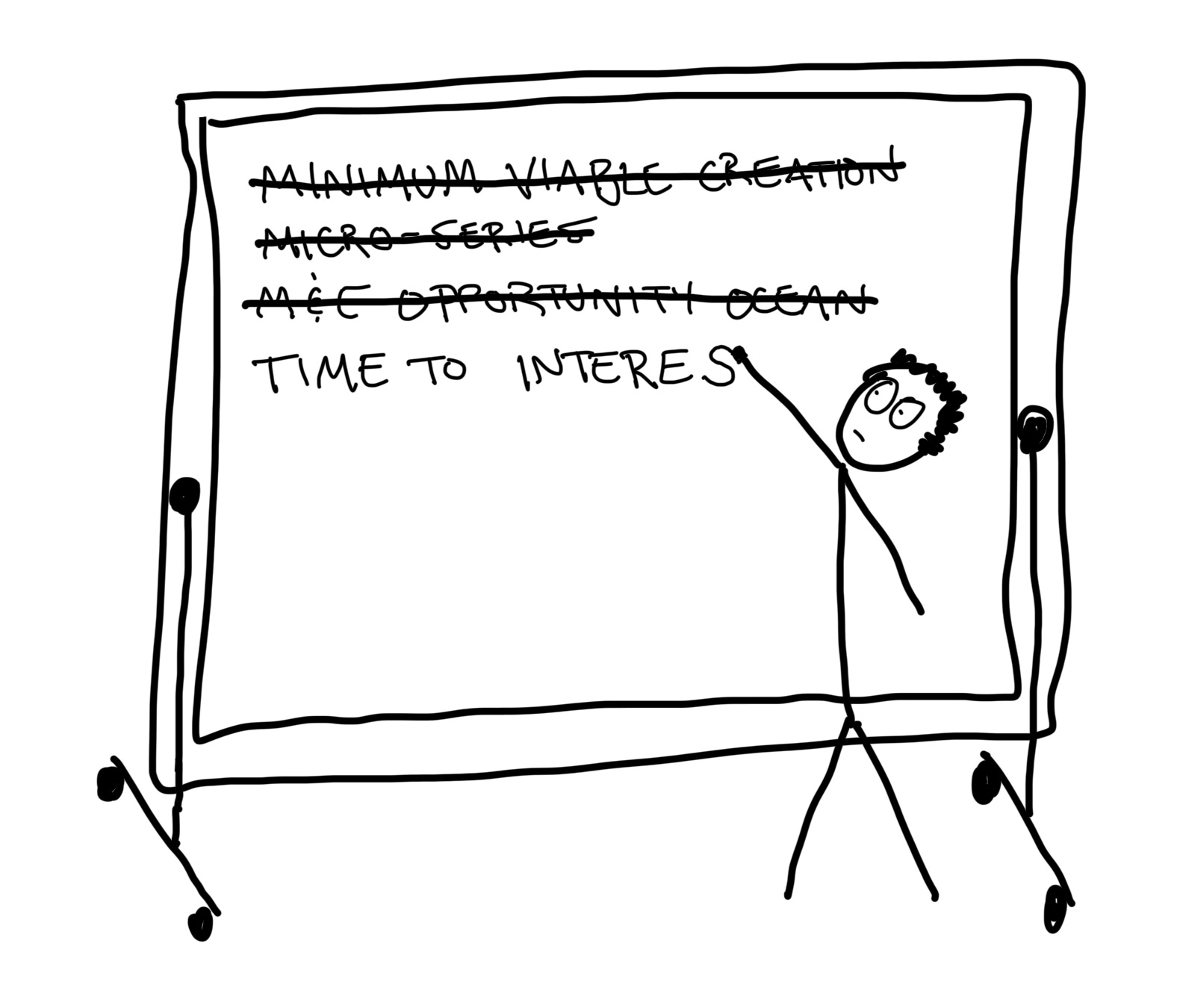
What is Time to Interest?
Time to Interest describes something we’ve all witnessed in the world of entertainment - both traditional and digital - but haven’t yet put a name to.
Simply put: TTI measures the amount of time it takes to capture a viewer’s interest in a show or movie or YouTube video or TikTok or really anything that seeks to captivate an audience.
TTI counts the minutes (or seconds) it takes to get to a defining moment: In the world of social media, this moment is called “the hook,” which is… pretty self-explanatory.
How TTI Ties to Attention Spans
Once I started to think in terms of TTI, it upended the entire concept of attention for me and forced me to acknowledge that maybe people’s attention spans weren’t getting shorter after all.
Framed through the lens of TTI, audiences don’t suffer from a dilemma of shortened attention spans, but rather a dilemma of increased choice (see the abundance crisis above).
With that choice, audiences have no reason to trust that what you made is worth their increasingly divided time, and they have no obligation to watch the thing you made just because you’re unique and wonderful, which - if you’re a subscriber of HNTBATVW - you absolutely are.
Their loyalty lies with their interests and passions and time, and if you’re unable to tap into one of those things right away, why would they trust that you can deliver in minute 6?
The Bottom Line
Despite what you’ve heard from (let’s face it) social media, our attention spans are not broken. The content landscape has simply become much more competitive. The real shift isn’t in our cognition, but in how quickly creators need to prove their content is worth watching.
So how do we leverage this knowledge to capture and maintain the interest of viewers far and wide?
That’s exactly what we’ll explore in Part 2, where I’ll break down specific storytelling techniques that keep audiences from clicking or swiping away.
I’ll discuss concepts like the curiosity gap and TTI loops so that you earn an audience’s trust and hold onto their attention.
We’ll also talk about how even Christopher Nolan follows the same rules as TikTok creators.
I can’t wait to share that with you, so be sure to:
Stay tuned,
Jon
Don’t worry, I’m not smart enough to know this off-hand and had to look this up using AI
This one I actually did a school report on in freshman year of high school. And yet I still had to consult AI.
My brain broke in 2020. I know that part of it was the realization of how deeply rooted white supremacy is in our culture. I honestly hadn’t noticed before then. Once I could see it, it was all I could see. Engaging in any content was really hard that year, for other obvious reasons too. Since then, I haven’t been able to focus on reading as well as before. I used to devour books. In the last five years, I’ve read MAYBE 7 books. It’s taken a perfect storm of events and a really good book for me to be able to muster the strength to pick one up and finish it.